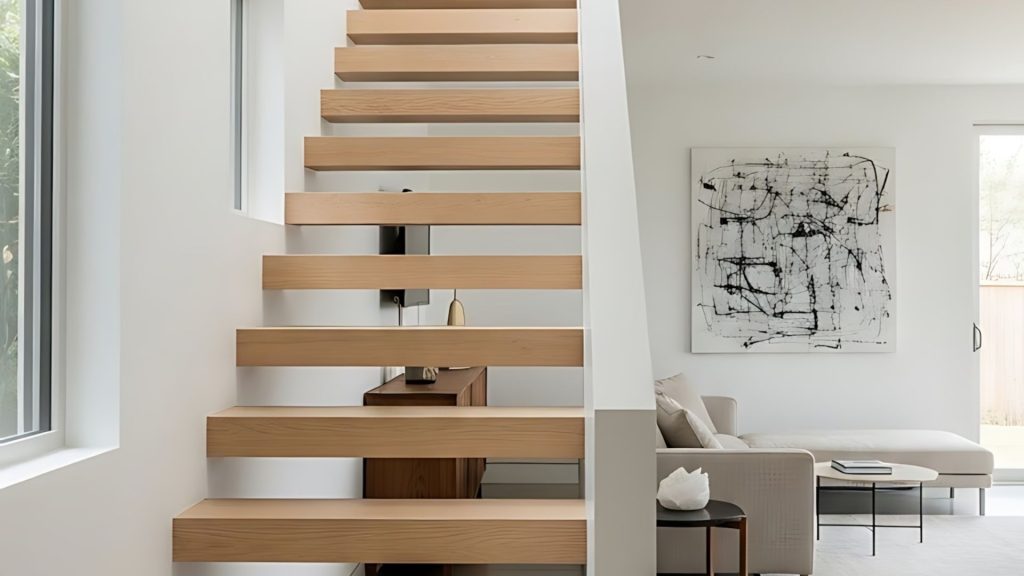
If you’re thinking about selling your home, it’s natural to wonder whether renovations will help you get a higher price. The short answer is: sometimes yes, sometimes no. The real value of renovating before selling depends on the type of upgrades, your budget, and what buyers in your market are actually looking for.
Renovations can absolutely increase your home’s appeal, but not all upgrades deliver the same return. In some cases, spending money on the wrong improvements can actually cut into your profit rather than increase it.
When Renovating Makes Sense
There are situations where renovating before selling can make a strong impact. If your home is outdated or has visible wear and tear, even modest upgrades can make it far more attractive to buyers.
Simple improvements that often pay off include:
- Fresh paint in neutral colours
- Updated lighting fixtures
- Minor kitchen or bathroom updates
- Repairing visible damage (cracks, leaks, flooring issues)
- Improving curb appeal with landscaping or exterior touch-ups
These types of upgrades help create a clean, move-in-ready feel, which is exactly what most buyers want. Homes that look well-maintained tend to sell faster and attract stronger offers.
When Renovating May Not Be Worth It
On the other hand, major renovations don’t always deliver a full return on investment. High-end kitchen remodels, luxury upgrades, or full home overhauls can be expensive, and you may not recover those costs when you sell.
This is especially true if:
- You’re upgrading beyond what’s typical for your area
- The renovation cost is very high compared to your home’s value
- Buyers would prefer to customize the space themselves
In these cases, you could spend tens of thousands of dollars only to see a modest increase in sale price—or none at all.
Renovation vs. Refresh: Knowing the Difference
One of the biggest mistakes homeowners make is going too far. There’s a big difference between renovating and refreshing.
A full renovation involves major changes like new layouts, structural work, or complete rebuilds. A refresh focuses on cosmetic updates that improve appearance without major construction.
For selling purposes, a refresh is often the smarter move. It improves first impressions without over-investing in upgrades that buyers may not fully value.
What Buyers Actually Care About
Today’s buyers are typically looking for homes that feel clean, modern, and well-maintained. They don’t necessarily need everything to be brand new, but they do want to feel confident that the home has been taken care of.
Key areas that influence buyers include:
- Kitchens and bathrooms
- Flooring condition
- Paint and overall cleanliness
- Exterior appearance
If these areas are in good shape, you may not need major renovations at all.
How to Decide What’s Worth Doing
Before investing in renovations, it’s important to look at your home objectively and consider your local market.
Ask yourself:
- What condition is my home currently in?
- How do nearby homes compare?
- Will this upgrade increase perceived value or just add cost?
In many cases, a small investment in cosmetic improvements can deliver a better return than a large-scale renovation.
The Risk of Over-Renovating
Over-renovating is one of the biggest risks when preparing to sell. If you spend too much on upgrades that exceed what buyers expect in your area, you may price yourself out of the market.
Buyers often compare homes within a similar range, so even a beautifully renovated property can struggle if it’s priced too high compared to comparable listings.
Final Thoughts
Renovating before selling can be worth it, but only when done strategically. The goal isn’t to create your dream home—it’s to make your property as appealing as possible to the widest range of buyers.
In most cases, focusing on small, high-impact updates and ensuring the home is clean, functional, and well-presented will give you the best return. Larger renovations should only be considered if they clearly align with market demand and your expected sale price.
If you approach it the right way, even modest improvements can make a big difference in how quickly your home sells—and how much you ultimately get for it.