Building a custom home is one of the most exciting and rewarding projects you can take on, but it also requires patience and careful planning. One of the most common questions homeowners ask is how long the entire process will take. While every project is different, most custom homes follow a similar timeline, and understanding each phase can help set realistic expectations and reduce stress along the way.
Planning and Design (1–3 Months)
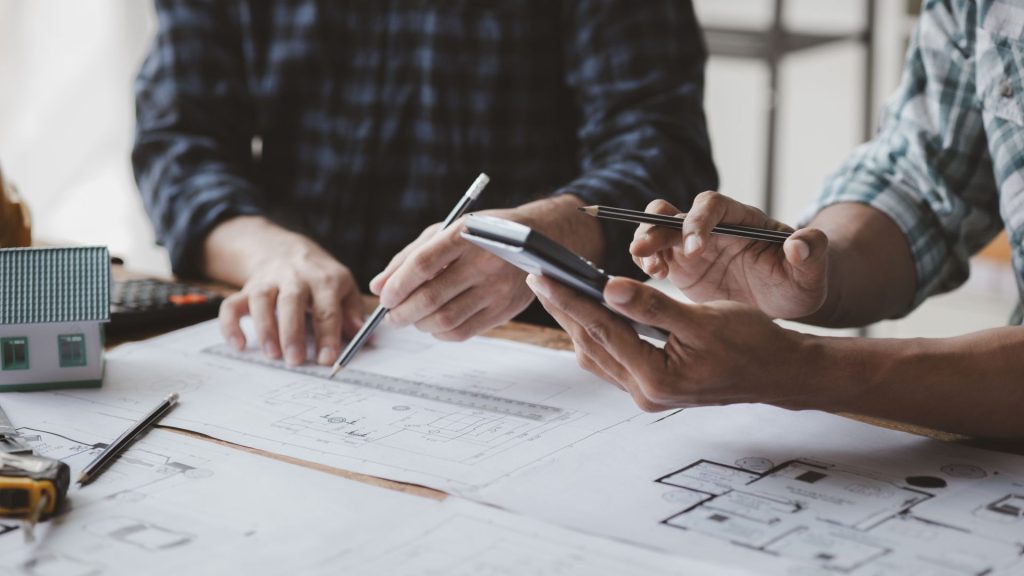
Every custom home begins with a strong vision. During this stage, you will work with a builder and designer to create floor plans, choose layouts, and establish a clear budget. This is one of the most important phases because decisions made here affect the entire project. Delays often happen when homeowners change their minds frequently or take longer to finalize details. The more decisions you can lock in early, the smoother the rest of the build will be.
Permits and Approvals (1–3 Months)
Before construction can begin, your project must be approved by the local municipality. This includes zoning checks, building permits, and sometimes engineering reviews. This phase can move quickly or take longer depending on the complexity of the design and how busy the city is. Missing documents or required revisions can also extend timelines, so working with an experienced contractor helps avoid unnecessary setbacks.
Site Preparation and Foundation (1–2 Months)
Once approvals are in place, construction officially begins. The site is cleared, excavated, and the foundation is poured. This stage is heavily influenced by weather conditions, especially in colder climates where freezing temperatures or heavy rain can slow progress. A solid foundation is critical, so this phase should never be rushed.
Framing (1–2 Months)
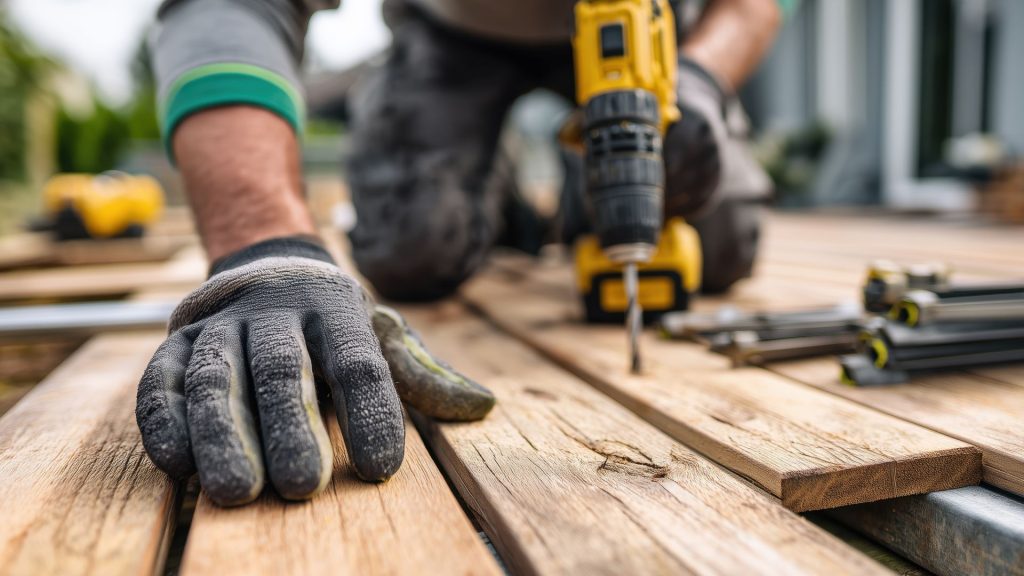
Framing is when your home starts to physically take shape. The structure is built, including walls, floors, roof systems, and openings for windows and doors. This is often the most exciting stage for homeowners because you can finally walk through your future home and see the layout come to life.
Mechanical Work (1–2 Months)
After framing is complete, the essential systems are installed behind the walls. This includes electrical wiring, plumbing, and heating and cooling systems. Inspections are required at this stage to ensure everything meets code before moving forward. Although this phase is less visible, it is one of the most important parts of the build.
Interior and Exterior Finishes (2–4 Months)
This is typically the longest phase of the project and where your home really starts to feel complete. Work includes drywall, painting, flooring, cabinetry, countertops, and exterior finishes such as brick or siding. Delays are common here due to material availability or custom orders, especially for items like kitchens and fixtures. Making selections early can help keep things on schedule.
Final Inspections and Walkthrough (2–4 Weeks)
Before moving in, your home must pass final inspections to ensure it meets all safety and building standards. You will also complete a walkthrough with your builder to identify any small touch-ups or corrections. These final adjustments ensure everything is completed to your expectations before handover.
Total Timeline
In most cases, building a custom home takes between 8 to 14 months from start to finish. Simpler builds with quick decision-making can move faster, sometimes closer to 6 to 8 months. More complex or highly customized homes can take 12 to 18 months or longer, especially if there are permit delays, design changes, or supply issues.
Common Causes of Delays
Even with a solid plan, there are a few common factors that can extend timelines. These include permit approval delays, weather conditions, material shortages, and changes made during construction. One of the biggest causes of delays is indecision, which is why planning ahead is so important.
How to Stay on Schedule
There are a few key ways to keep your project running smoothly. Finalizing your design early is one of the most effective steps you can take. Working with an experienced builder helps prevent costly mistakes and delays. Avoiding changes during construction and ordering materials in advance can also make a significant difference. Clear communication throughout the project ensures everyone stays aligned.
Final Thoughts
Building a custom home is a detailed process, but understanding the timeline makes it much more manageable. While most projects take around 8 to 14 months, the experience can vary depending on the scope and level of customization. With proper planning, the right team, and clear expectations, you can move through each stage confidently and bring your vision to life without unnecessary delays.